Alphabetari Papakosta Niki
Early Intervention
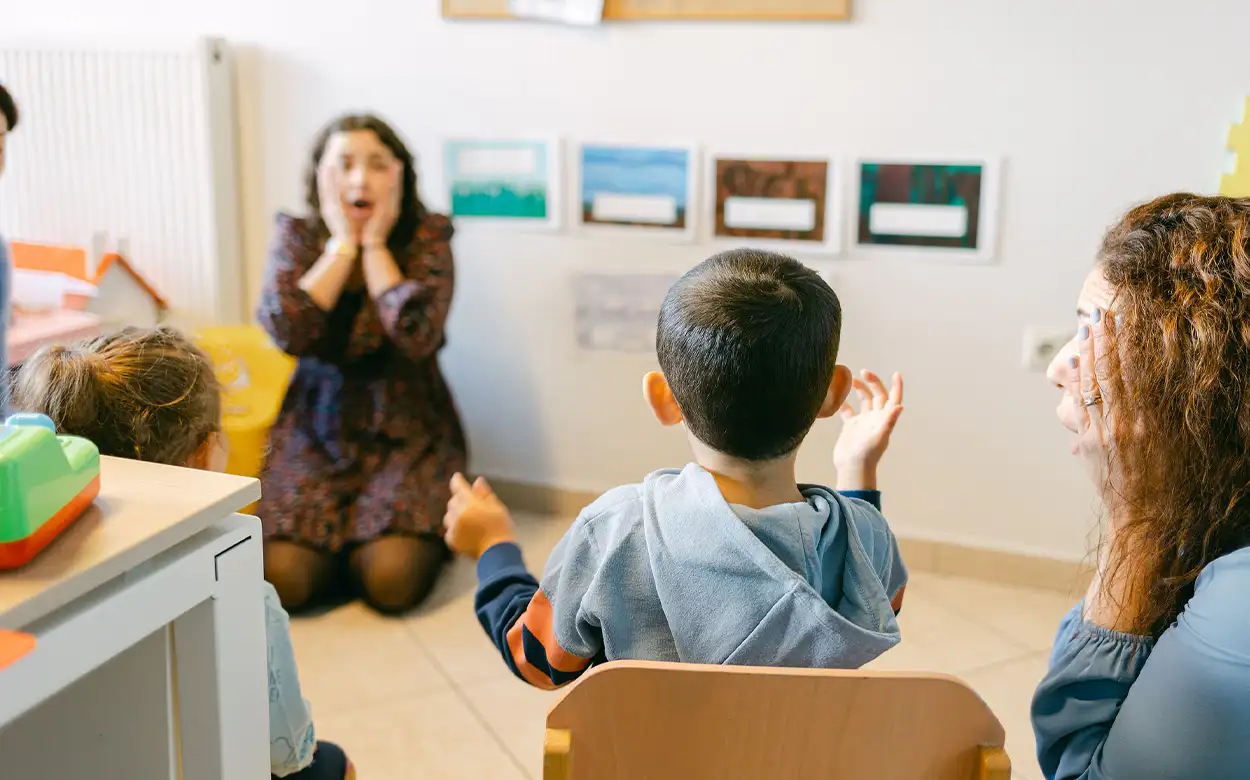
The early intervention program is aimed at children aged 2 to 4 years with the ultimate goal of training skills in the areas of functional communication, sensory mobility and self-service/autonomy.
Early Intervention
Special sessions
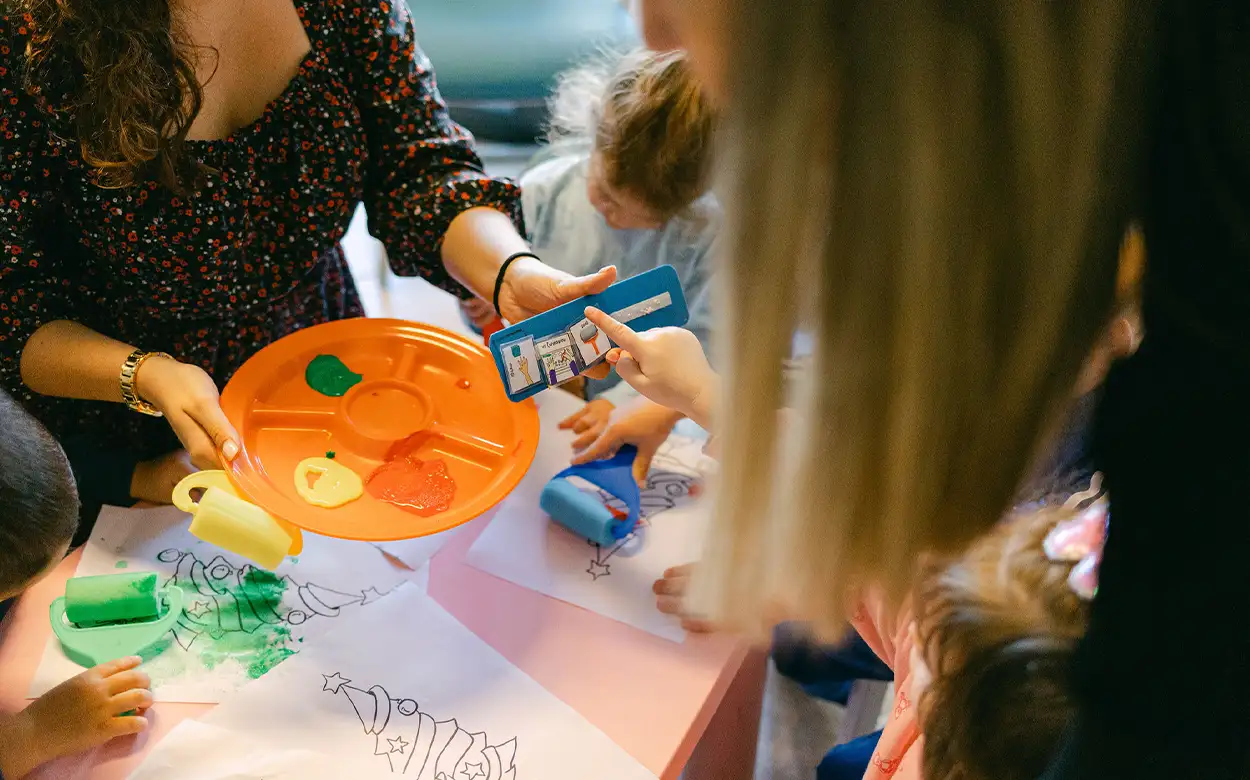
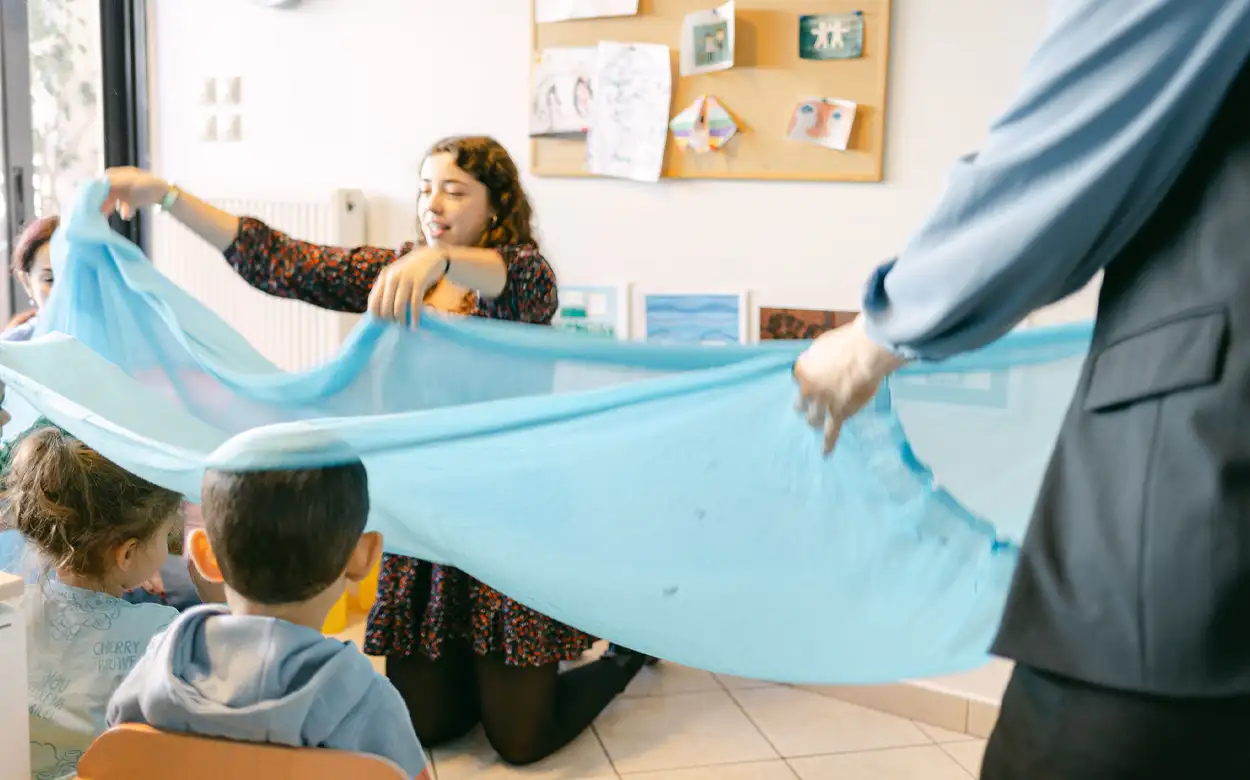
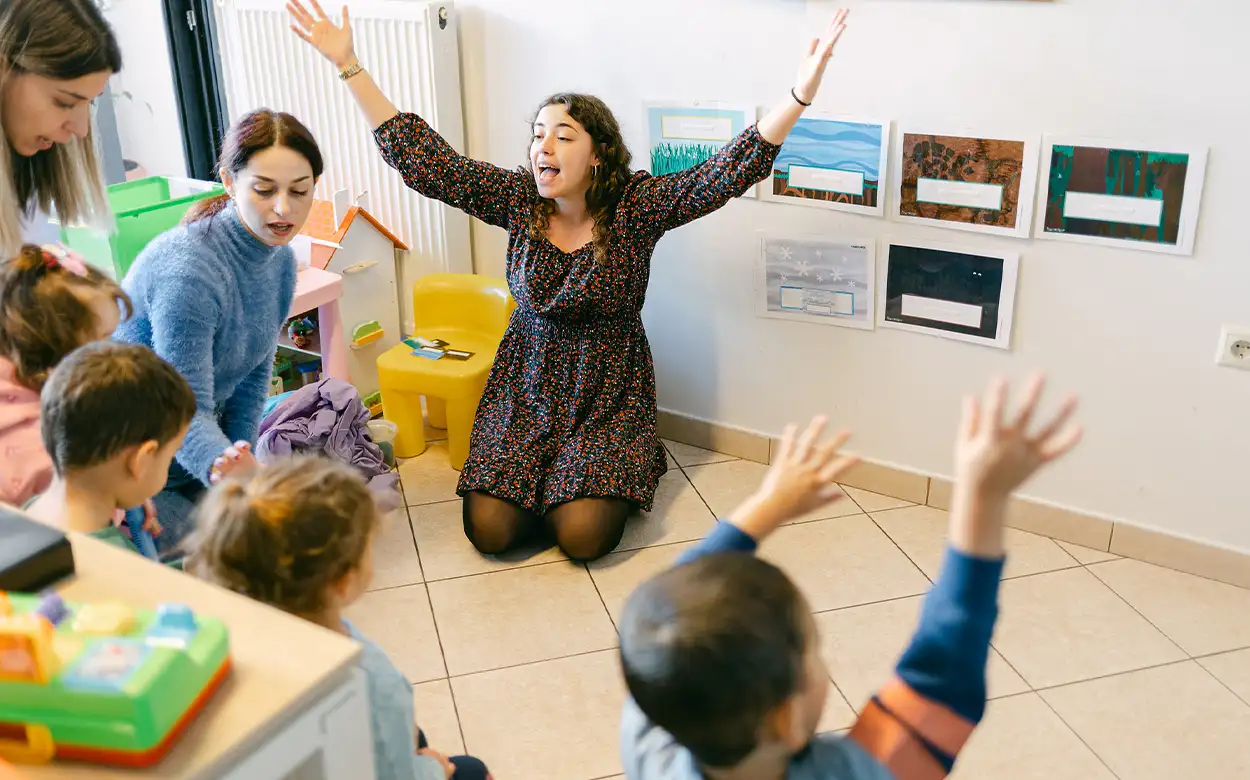
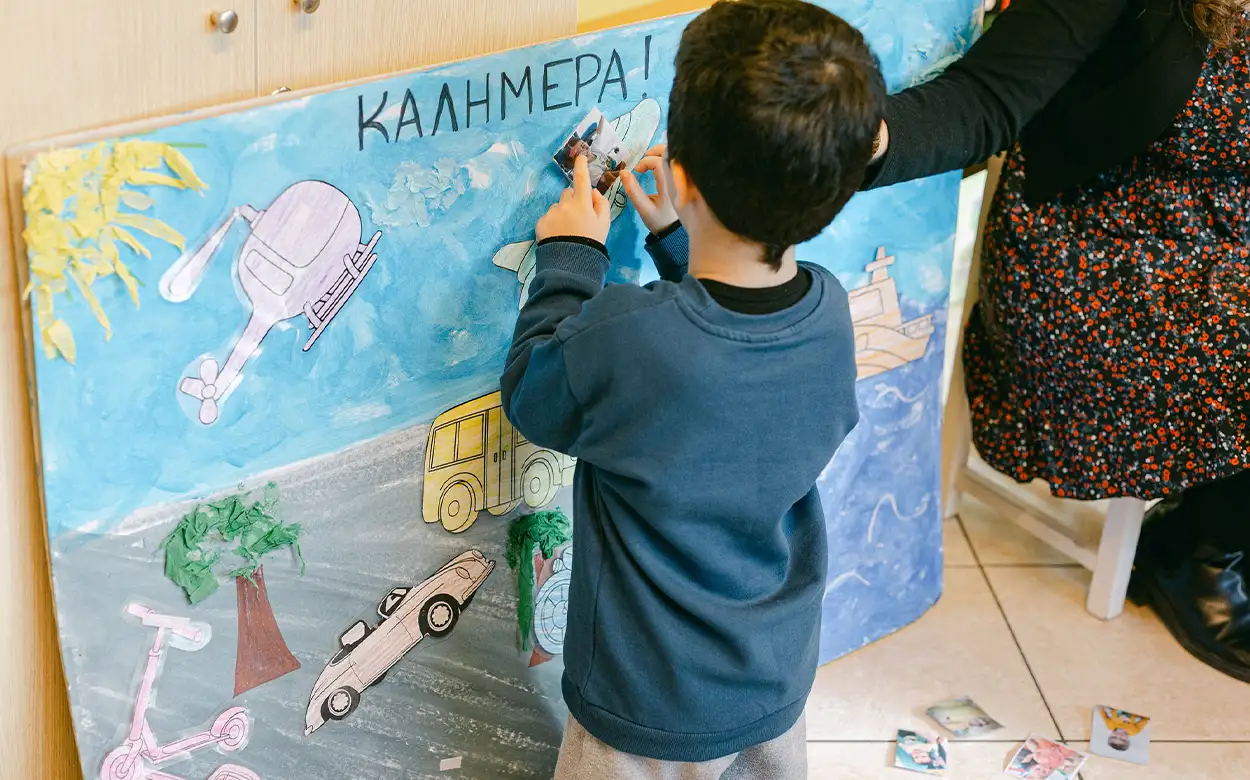
Children learn these skills through individual and group sessions of the program, which take place both inside the center and outside in the community (e.g. playground, supermarket, square).
Programs
The early intervention program is designed based on the principles of Behavior Analysis and Sensory Integration theory, where individualized plans are created for our students. Research has shown that the role of the parent as a co-educator is crucial for the child’s development (Cruz-Torres, Duffy, Brandy, 2020 and Dogan et al., 2017) for this reason parents participate in the educational program, through monthly meetings.
Early Intervention
Parental Participation
Parents are encouraged to attend the program in person, so that they can use the techniques themselves in everyday life with their child.
Early Intervention
Program Objectives
Behavior Improvement
Children learn to communicate what they want (verbally or in an alternative way), reducing inappropriate behaviors and maintaining constant stimulation.
Communication Skills
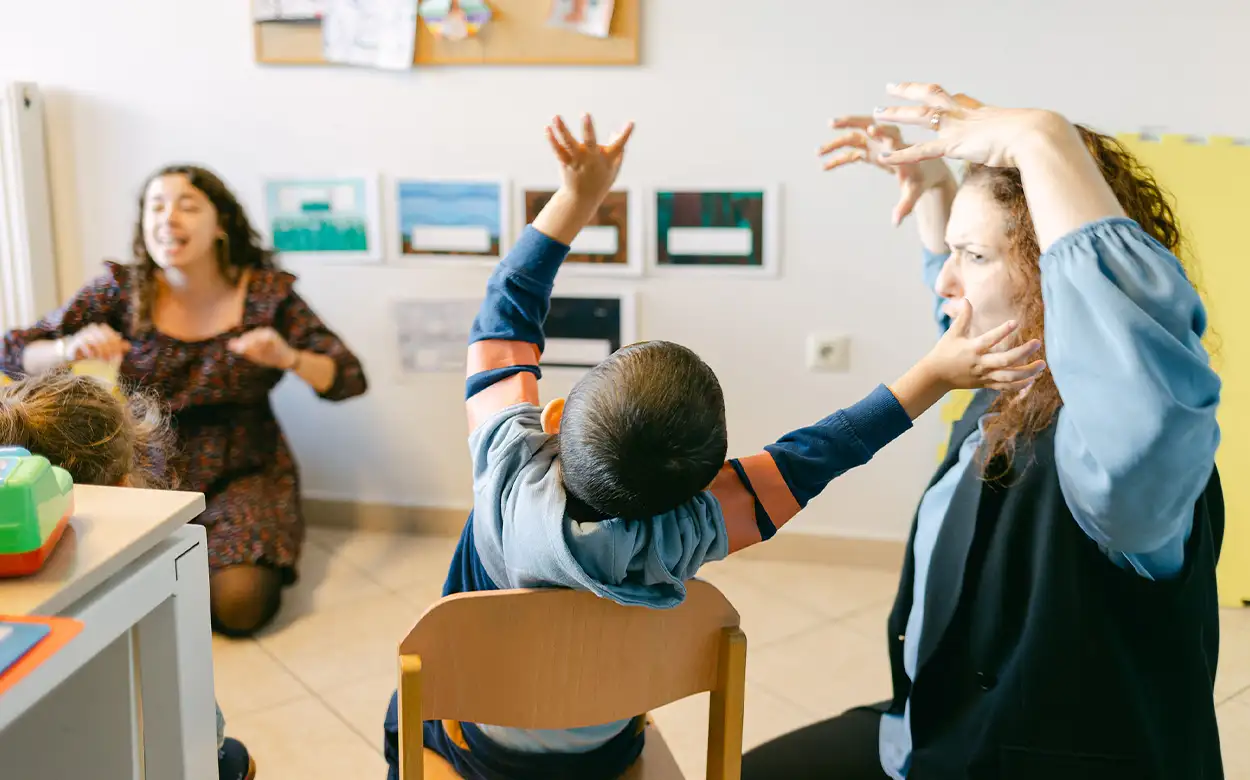
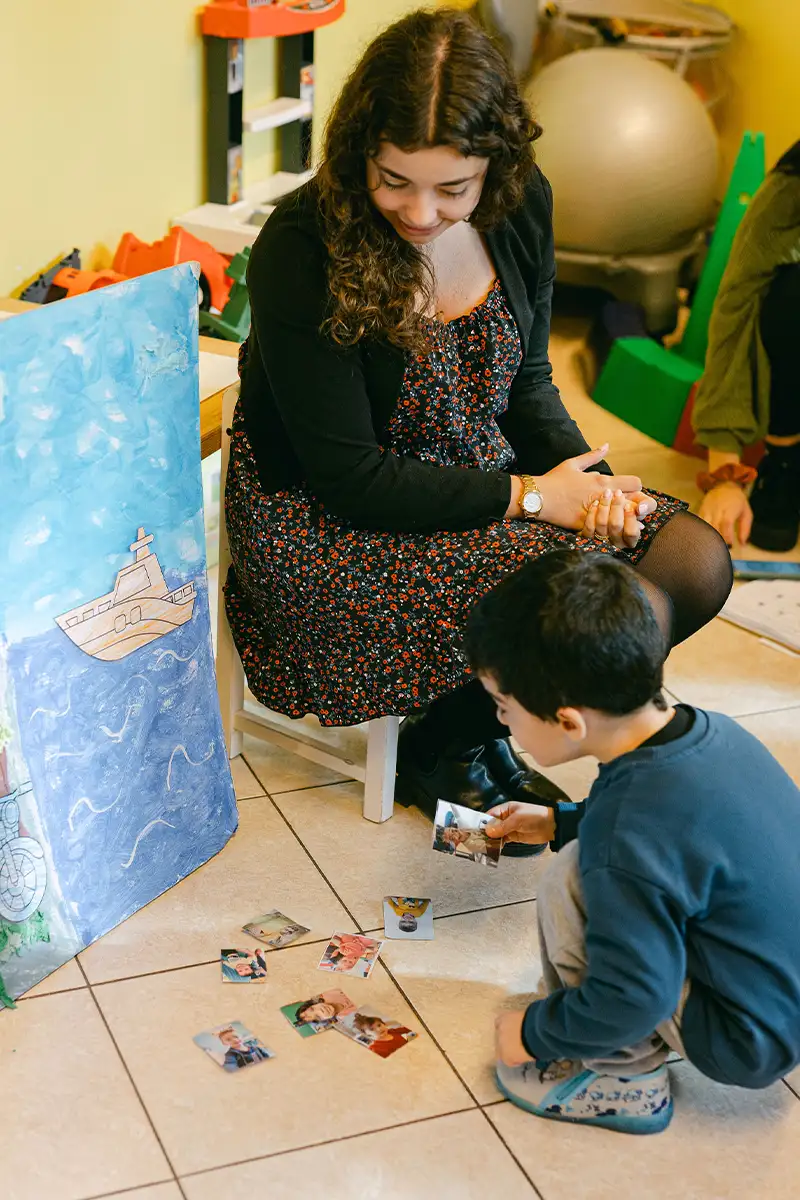
They improve basic communication skills such as eye contact and joint attention and develop the skill of imitation through play with therapists and peers.
Interaction with peers
They learn to interact with their peers, wait their turn, and follow them in play through tabletop and movement activities.
Gross and Fine Mobility
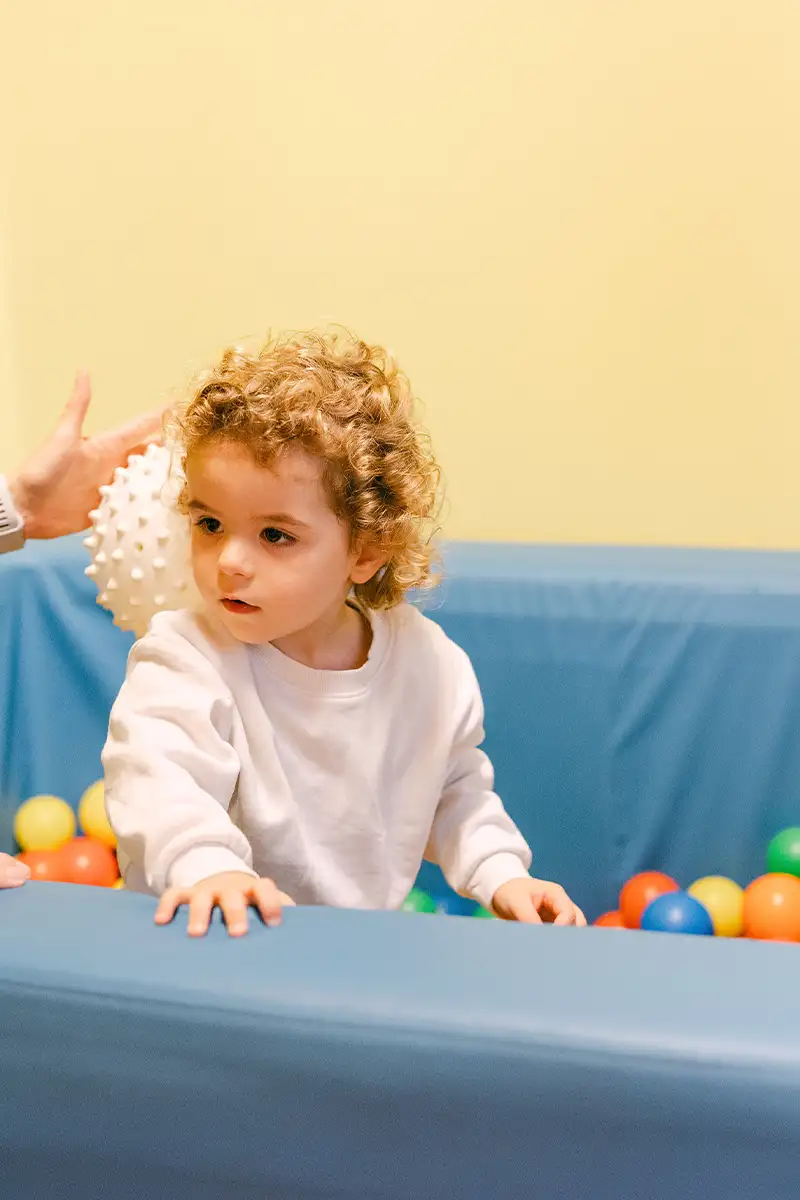
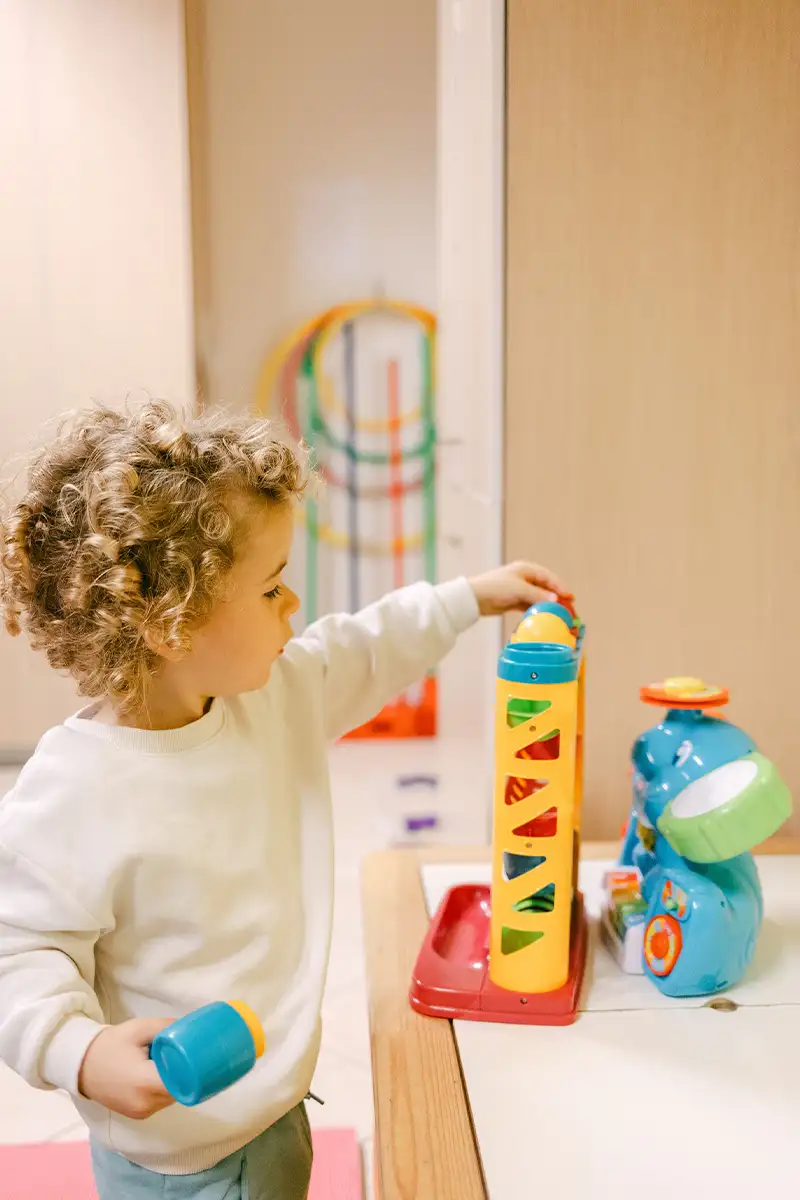
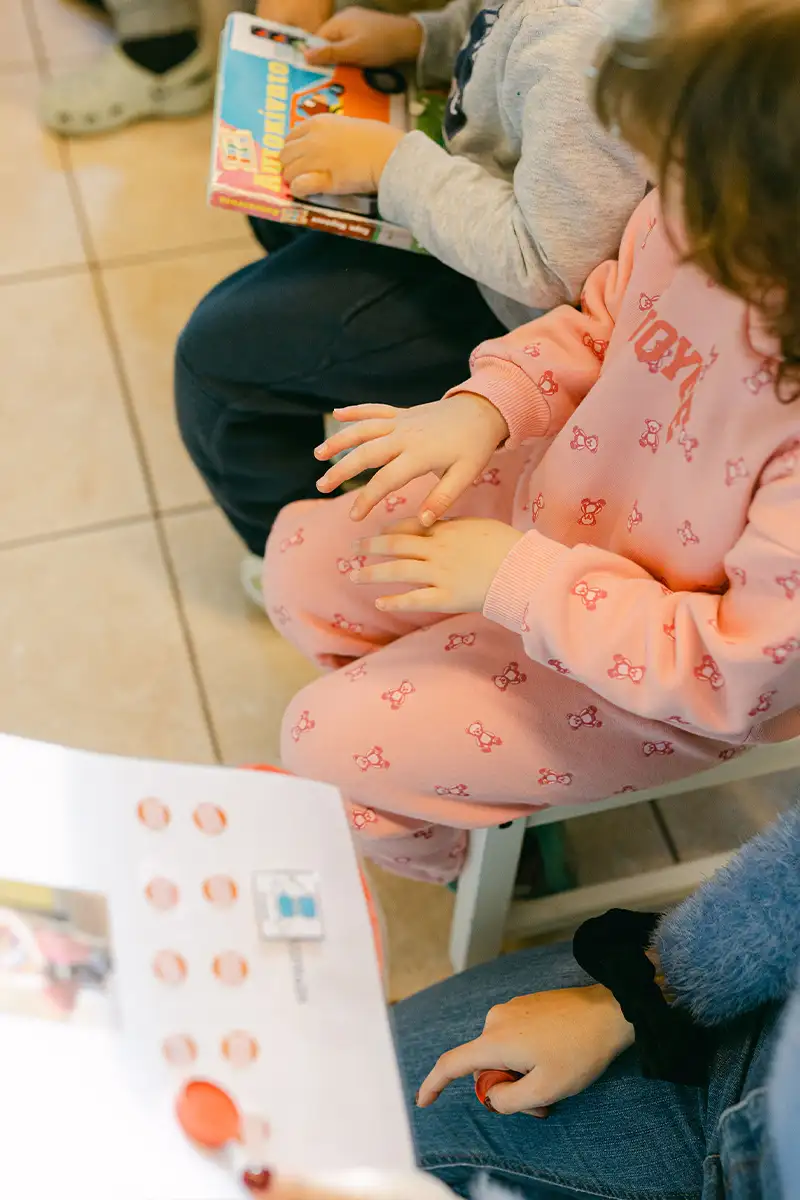
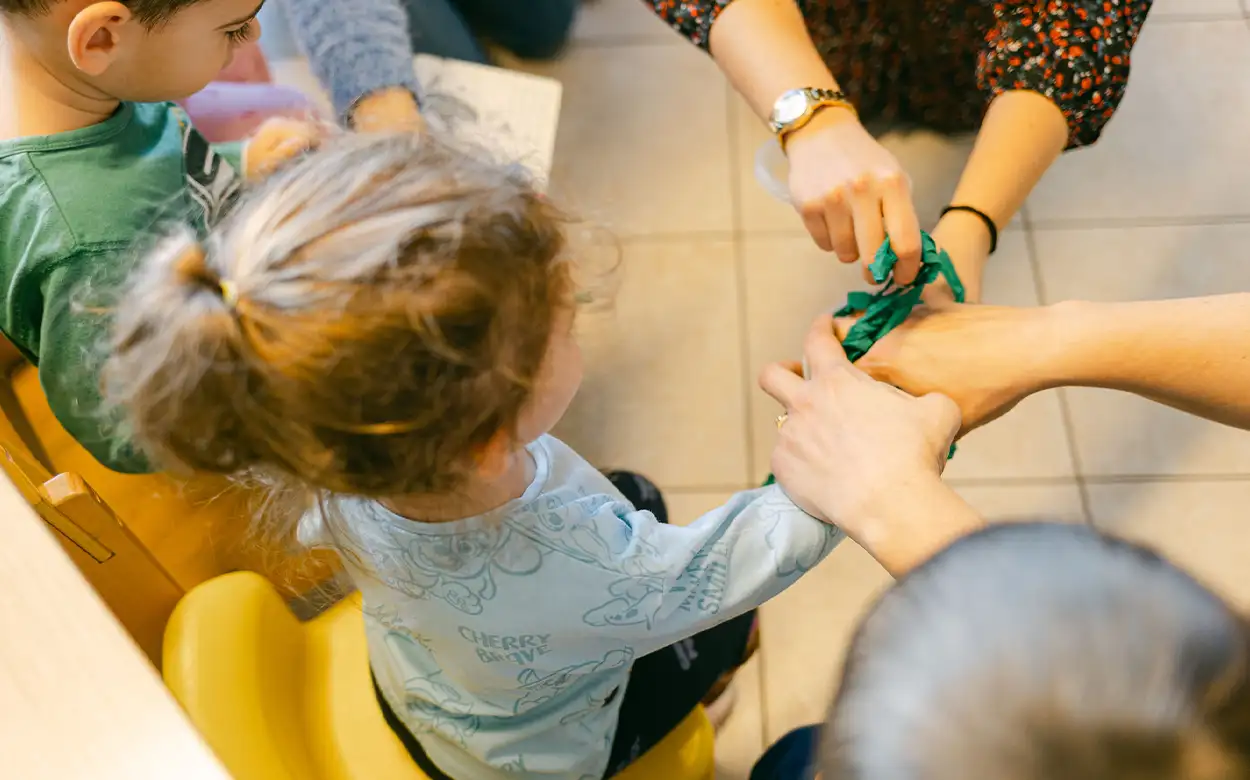
They develop the gross and fine motor skills, as well as hand-eye coordination, which are necessary to engage in play.
Autonomy
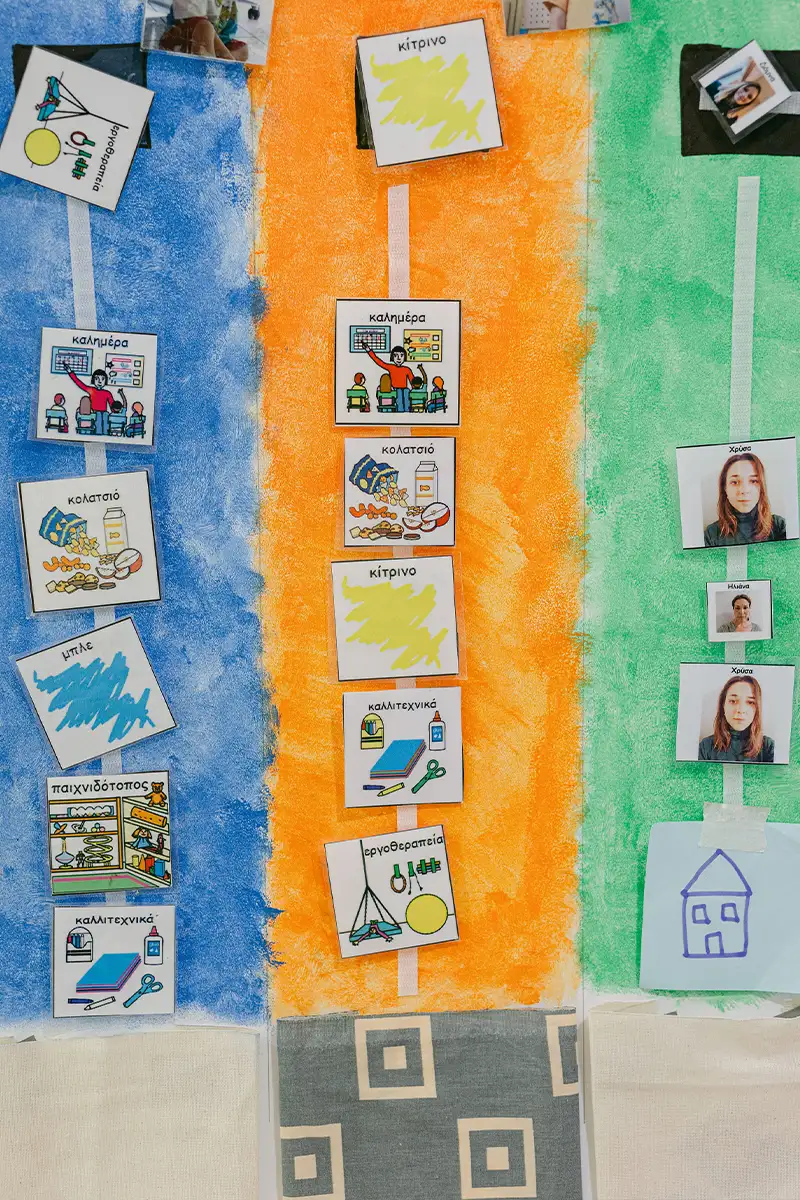
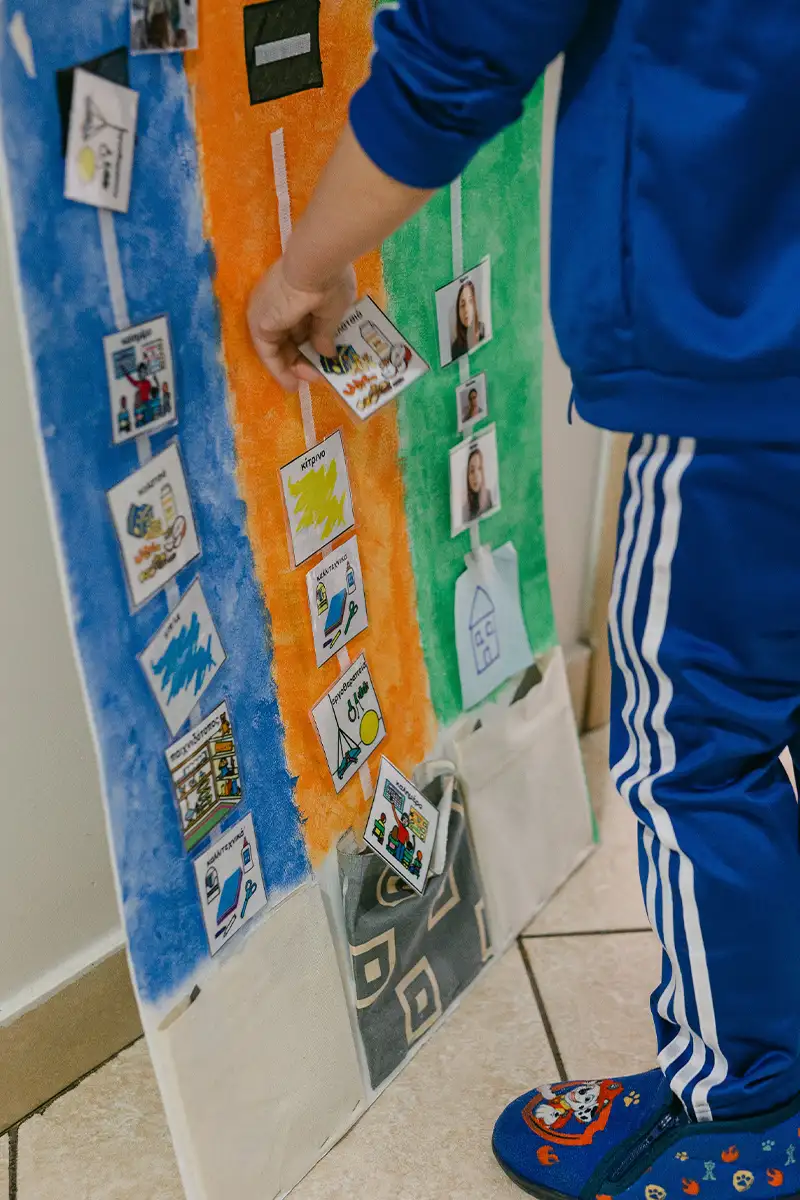
Their autonomy is promoted by following the daily routine and completing basic daily living skills (e.g. toileting, hand washing, dressing and feeding).
Construction sector
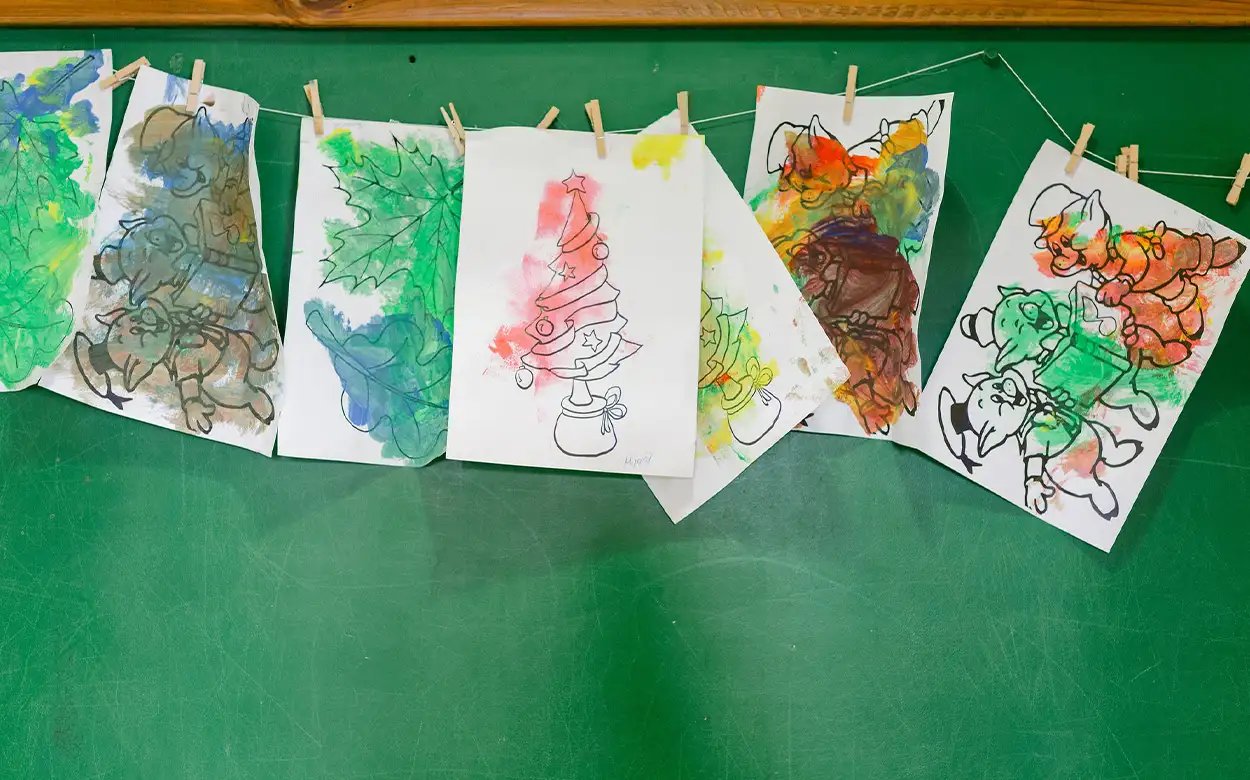
copying ability on the plane and on paper, tracing.
Graphomotor domain
tracing, frame filling, prewriting, writing organization.
Practical mechanism
ideation the child identifies “what is” what we give him, planning “what to do”, programming “how to do it”, execution “execution in an organized and coordinated manner”.
“Δεν είναι το παιδί που πρέπει να προσαρμοστεί στη μάθηση, αλλά η μάθηση στο παιδί.”