According to the World Federation of Occupational Therapists (WFOT), Occupational Therapy is the science that, through the use of therapeutically directed activities, aims to develop or restore the individual’s skills so that they can function effectively on a personal and social level.
Occupational therapy
Indicative Difficulties
Difficulty eating, dressing, or taking care of personal space
Hypotonic muscle tone, feeling of weakness
Fatigue during schoolwork
Clumsiness, often stumbling or falling
Doesn’t play with toys of his age or destroys them
Sensitivity to clothing, bathing, nail clipping
Difficulty drawing, using markers or scissors
Hyperactivity, difficulty maintaining position
Easily distracted or overly focused on an activity
Reversal of letters/numbers, illegible writing
Difficulty participating in team games or sports
Occupational Therapy Intervention
Assessment Areas
Sensory integration
Reception, regulation and discrimination of sensory stimuli (tactile, proprioceptive, vestibular)
Coarse Coordination
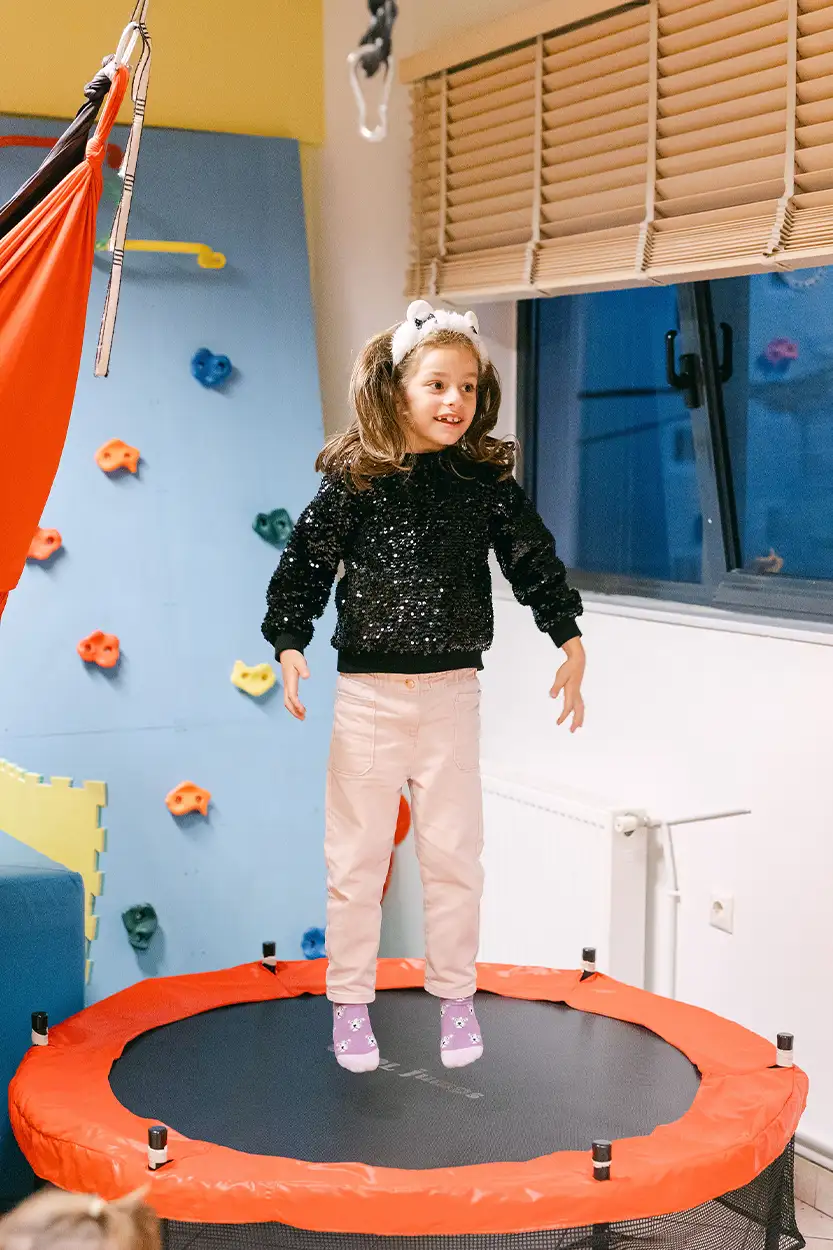
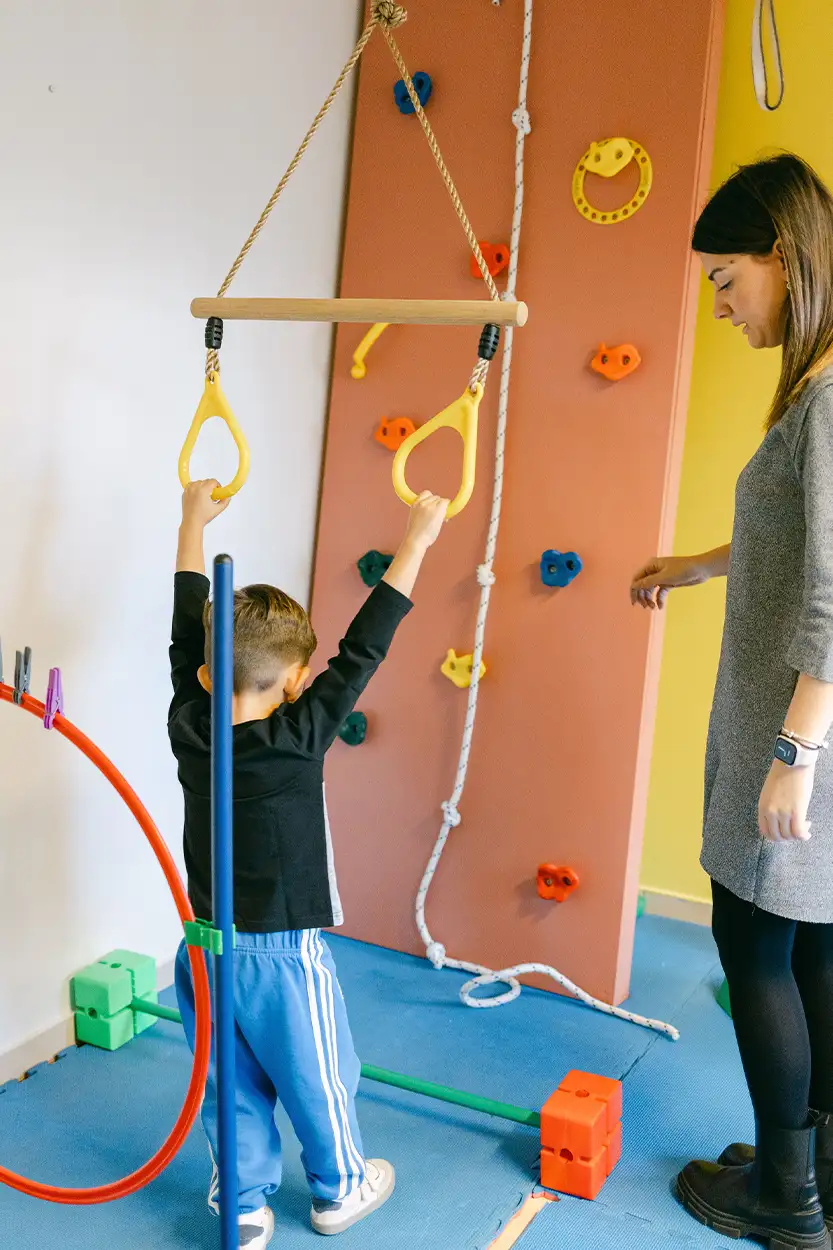
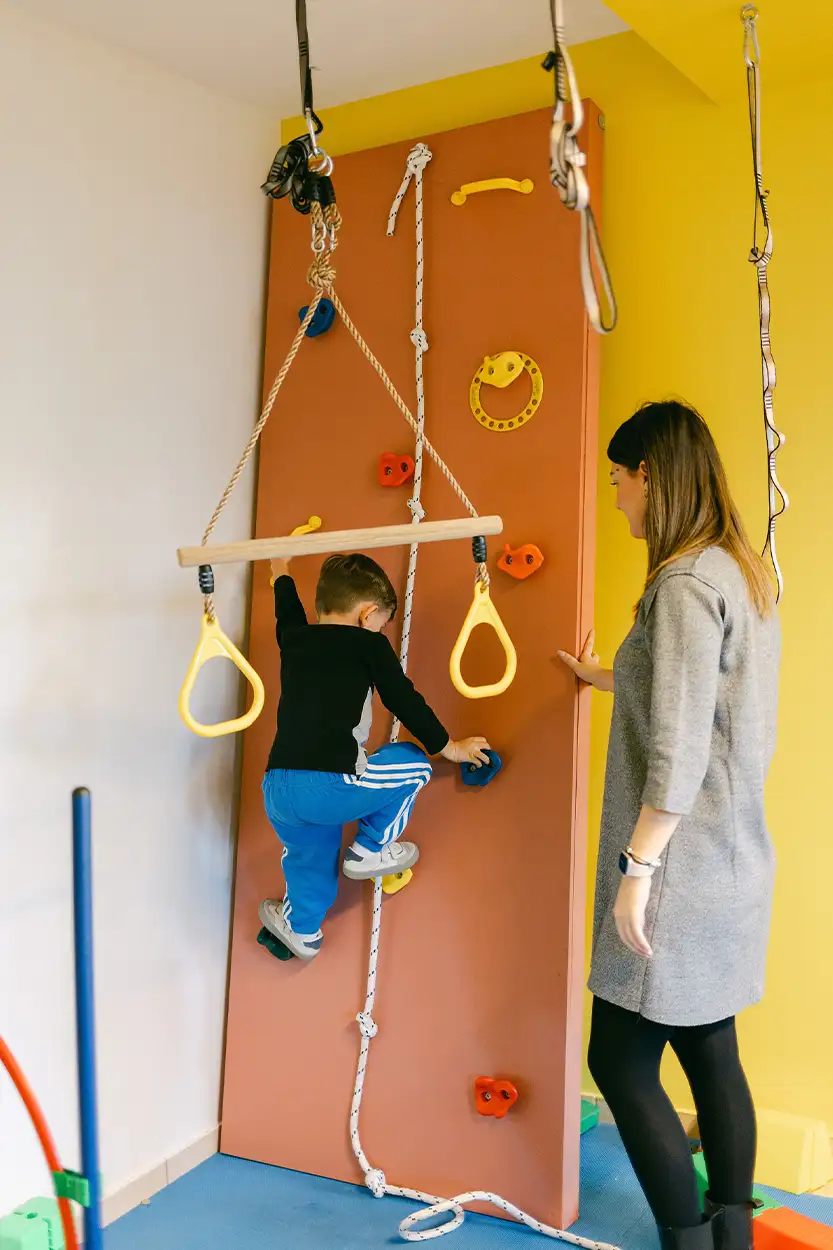
Motor activities using large muscles: walking, jumping, balance, bilateral use
Fine movement
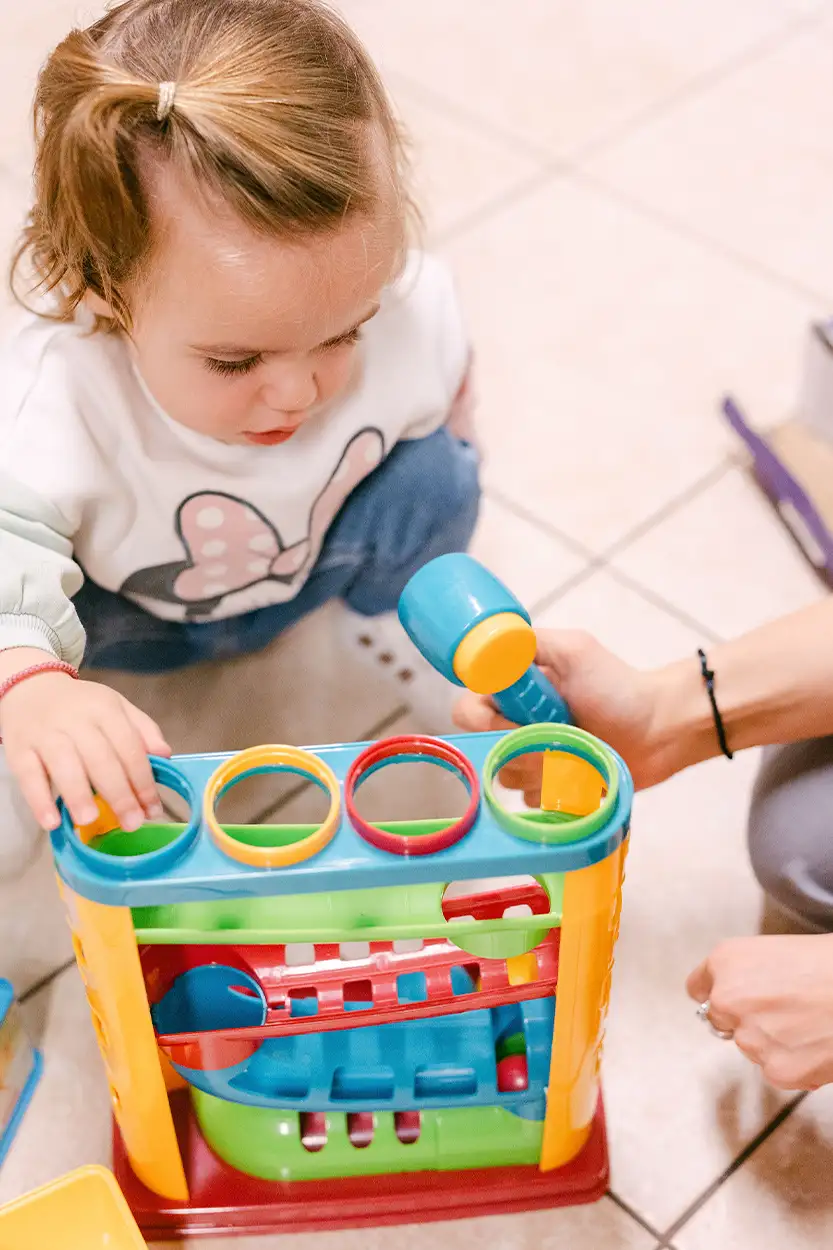
Hand and finger coordination for handling tools (pencils, scissors, etc.)
Self-service
Developing autonomy in daily skills: dressing, feeding, organizing a school bag
Cognitive domain
Attentional focus, impulsivity, working memory, organization & completion of activities
Construction sector
Ability to copy on a plane and paper, tracing
Graphomotor domain
Tracing, frame filling, prewriting, preparation for writing
Practical mechanism
Ideation (“what is it”), planning (“what to do”), planning and execution of an activity